Understanding Effort Without Fear
We hear the words “I wouldn’t be fit enough to do that” all the time. The reasons are simple: expectations, perception of fitness, and the fear of standing out in an exercise setting. Let’s break down those barriers and talk about what exercise should actually look like.
Many people think a workout only counts if they finish exhausted. They leave believing that if they aren’t completely out of breath, or sore the next day, they haven’t done enough.
The truth is, that’s rarely the case. Understanding what “enough” feels like can help you enjoy exercise more, recover better, and stay consistent for years to come.
Exercise should challenge you — but it shouldn’t leave you dreading your next session.
Some days you’ll have more energy than others. Work, family life, sleep, and stress all influence how your body feels. A good workout is one that meets you where you are on that day. It shouldn’t add to the stress on your body.
Questions to Ask Yourself Pre/Post Exercise
- How do I feel energy-wise before I start?
- Did I move with good quality?
- Do I feel better for having done it?
- Will this session leave me energetic enough to exercise again tomorrow, or two days from now?
If the answer is yes to those, you’ve probably done enough.
The Habit That Actually Builds Progress
One tough workout won’t change your health or your habits. Managing your intensity — not maximising it every time — is what keeps you coming back. And when every session feels like a punishment, it’s much harder to build a lasting habit. When exercise feels achievable and enjoyable, you’re far more likely to keep doing it. That’s where real progress comes from.
How you feel will change day to day, and that means your effort needs to match how you’re feeling. It’s completely normal for your effort to look different from one session to the next. Some days you’ll feel strong and energetic. Other days, simply showing up is the biggest win — and neither day is better than the other. What matters is continuing to build the habit of moving your body and giving it what it needs.
If you want a practical tool for this, the RPE scale gives you a simple 1–10 way to describe your own effort. And building positive habits looks at the psychology behind why turning up beats going hard.
The BikeRowSki Approach
At BikeRowSki, we don’t measure success by who can push the hardest.
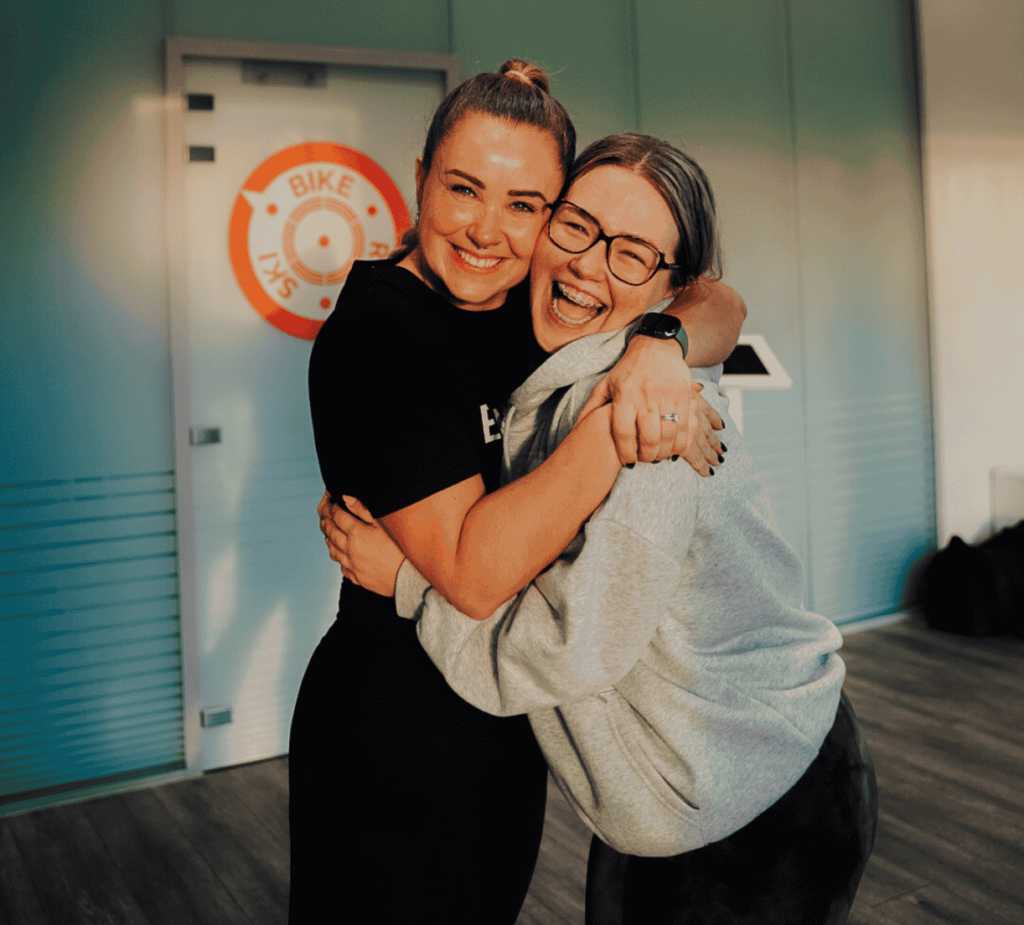
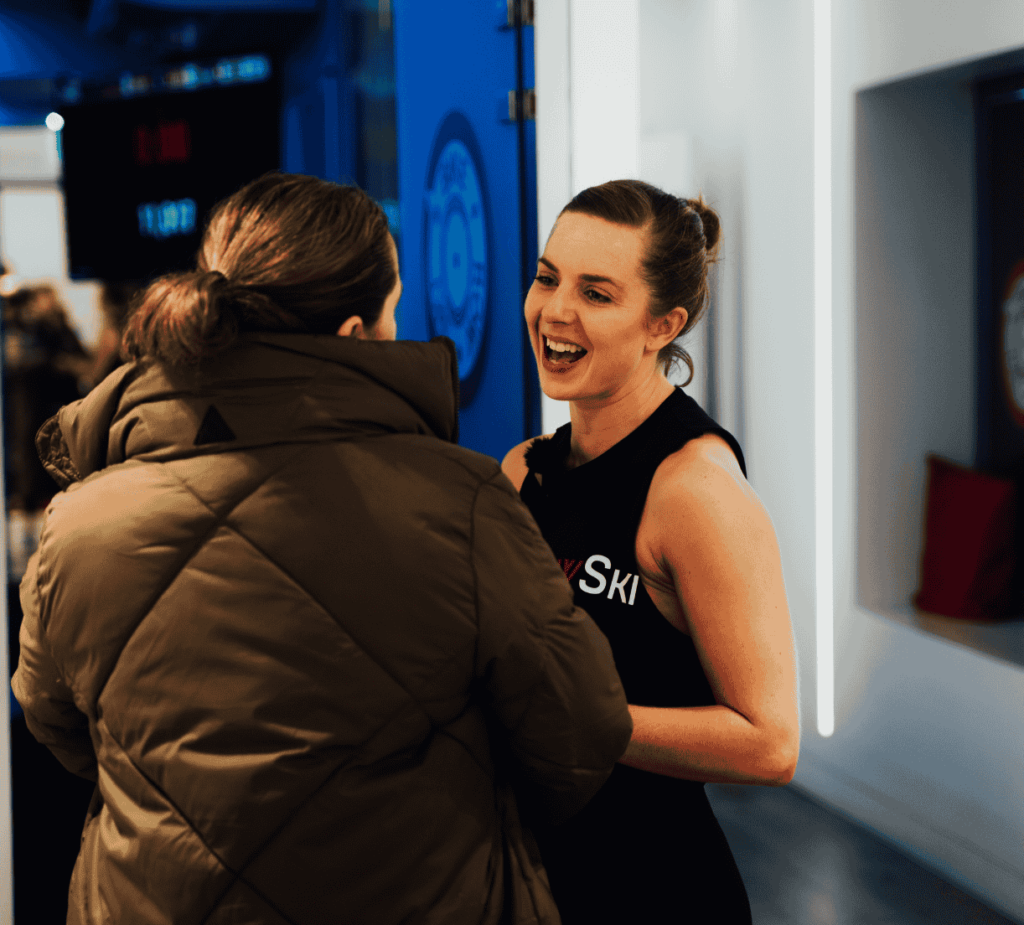
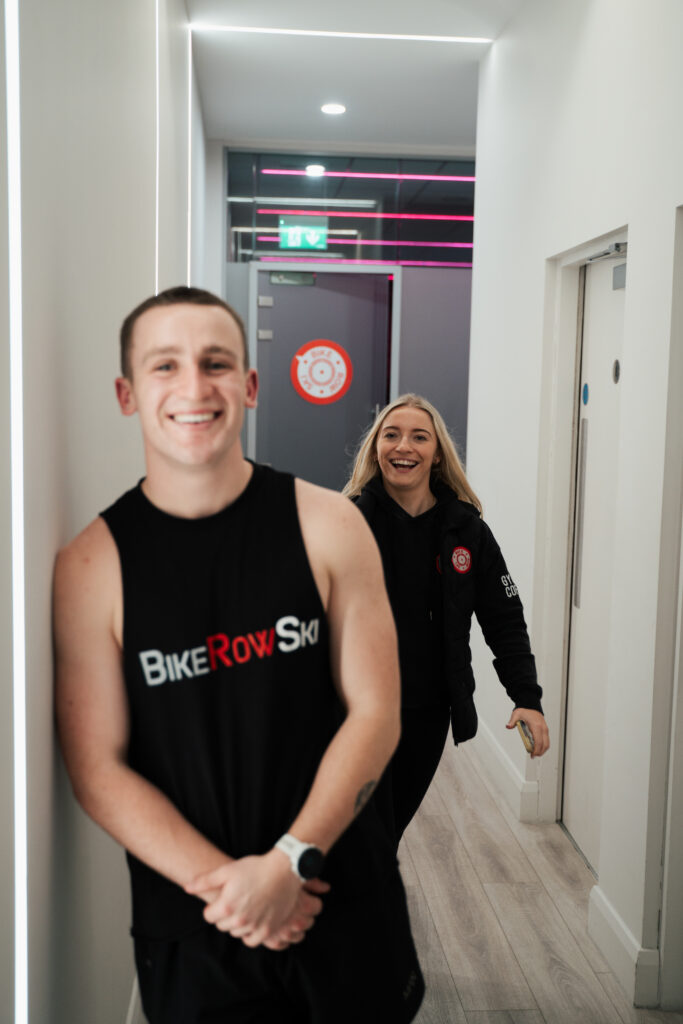
We believe exercise should leave you feeling capable, safe, supported, and proud of what you’ve achieved that day. Our coaches help you work at an effort that’s right for you, whether it’s your first class or your hundredth. Building confidence around exercise is just as important as building fitness.
What makes our sessions different:
- We program rates on each machine so everyone moves together, but at their own effort.
- We program time over distance, keeping every session fully inclusive and taking the expectation away from anyone.
What Doing Too Much Actually Looks Like
It is worth knowing the signs that you have gone past useful effort, because they are easy to mistake for progress. Sleep that gets lighter rather than deeper. A resting heart rate that sits higher than normal for days on end. Aching joints rather than tired muscles. Losing interest in sessions you normally look forward to. Feeling flattened for the rest of the day instead of lifted by it.
None of those mean you have done something wrong — they are simply feedback. And the answer is almost never to stop. Easing off for a session or two and letting your body catch up is usually enough, and most people find they come back feeling better than if they had pushed straight through.
If you are not sure, say it to a coach. We would far rather adjust a session for you on the day than watch you disappear for three weeks because one class was too much.
You can also read more about why we coach rate over pace and time over distance, which is how we keep the intensity in your hands rather than the clock’s.
A Summary to Walk Away With
Understanding what “enough” feels like takes the pressure away from exercise. Instead of chasing exhaustion, you can focus on building a routine that fits your life and leaves you feeling better each time you walk out of the studio.
Book a class and feel it for yourself — the best way to understand “enough” is to experience one session with a coach guiding you.
Our team is always happy to help if you’re unsure where to start or how hard you should be working. You’re never doing this alone.